Skarp
Skarp
Foundations of Modern Nursing
This course introduces the essential knowledge and skills at the heart of modern nursing, including the nurse’s role, core clinical concepts, patient safety, communication, and evidence‑based practice. It is designed for learners considering nursing or starting pre‑nursing studies who want a structured, practical overview of the profession.
The first lecture plays free — no account needed.
What you'll learn
- Students will be able to describe at least three major roles nurses play in different healthcare settings.
- Students will understand the differences between entry-level and advanced nursing roles and how they collaborate.
- Students will be able to explain how nursing contributes to patient outcomes and public health.
- Students will be able to list and define the five steps of the nursing process.
- Students will understand how to turn patient data into prioritized nursing problems.
- Students will be able to outline a simple plan of care for a basic patient scenario using the nursing process.
- Students will be able to explain why homeostasis is central to patient assessment.
- Students will understand basic structure and function of at least three major body systems relevant to vital signs.
- Students will be able to connect simple clinical observations (e.g., shortness of breath) to underlying body systems.
- Students will be able to name the core vital signs and typical adult reference ranges in conceptual terms.
Prerequisites
- nursing roles and scope of practice
- nursing process framework
- essential anatomy and physiology for nurses
- vital signs and bedside assessment
- nursing process
- infection prevention and control
Course Content
10 modules · 2h 15m total
What Is Nursing Today?
Explore what nurses do, where they work, and how the profession has evolved in modern healthcare systems.
The Nursing Process: A Practical Thinking Framework
Learn the five-step nursing process used to organize patient care and clinical thinking.
Essential Anatomy and Physiology for Nurses
Review core body systems and concepts every nurse relies on to understand patient conditions and interventions.
Vital Signs and Bedside Assessment
Gain a conceptual understanding of vital signs, what they indicate, and how nurses use them in everyday practice.
Infection Prevention and Control
Understand how nurses prevent infections and protect patients, themselves, and the healthcare team.
Therapeutic Communication and Patient-Centered Care
Learn how nurses build trust, gather information, and support patients using effective, compassionate communication.
Ethics, Legal Responsibilities, and Patient Rights
Explore the ethical principles, laws, and professional standards that guide safe and accountable nursing practice.
Safety, Quality, and Teamwork in Healthcare
Learn how nurses promote patient safety, prevent errors, and work effectively within interprofessional teams.
Evidence-Based and Culturally Competent Nursing
Connect nursing practice to research evidence and learn why cultural competence and health equity matter in care.
Thriving as a Nurse: Stress Management and Professional Growth
Discover strategies for managing stress, preventing burnout, and planning a sustainable, meaningful nursing career.
Read the Textbook
Read every chapter for free, right here in your browser.
Nursing today is a scientific, person-centered, and team-based profession that focuses on helping people achieve and maintain the best possible health.
A widely used modern definition (adapted from the American Nurses Association and other national bodies) describes nursing as:
The protection, promotion, and optimization of health and abilities; prevention of illness and injury; facilitation of healing; alleviation of suffering; and advocacy in the care of individuals, families, communities, and populations.
Study Flashcards
Key concepts from this course as flashcard pairs.
What Is Nursing Today?
Scope of Practice
The legal and professional boundaries that define what a particular health professional (e.g., CNA, LPN/LVN, RN, APRN) is permitted and competent to do, based on education, licensure, and regulation.
Registered Nurse (RN)
A nurse who has completed an approved nursing program (usually associate or bachelor’s degree) and passed a licensure exam, authorized to provide comprehensive nursing assessment, planning, implementation, evaluation, and coordination of care.
Advanced Practice Registered Nurse (APRN)
A nurse with graduate-level education and advanced certification (e.g., NP, CNS, CNM, CRNA) who provides advanced clinical care; in many jurisdictions can diagnose, order tests, and prescribe within their specialty.
Advocacy in Nursing
Actively protecting and promoting the rights, preferences, and safety of patients, families, and communities—often by speaking up, clarifying information, and challenging unsafe or unfair practices.
Patient Outcomes
Measurable results of healthcare, such as symptom control, complication rates, hospital readmissions, mortality, functional status, and patient satisfaction—nursing care has a well-documented impact on these outcomes.
Public Health Nursing
A field of nursing focused on populations and communities rather than only individuals, emphasizing prevention, health promotion, and addressing social determinants of health.
The Nursing Process: A Practical Thinking Framework
Assessment
The systematic collection, verification, and organization of subjective and objective data about the patient’s health status. It is ongoing and holistic.
Nursing Diagnosis
A clinical judgment about a patient’s response to actual or potential health problems, forming the basis for nursing interventions. Often written in PES format: Problem–Etiology–Signs/Symptoms.
Prioritization (ABCs)
A method for choosing which nursing problems to address first, focusing on Airway, Breathing, and Circulation, followed by safety and other needs.
Planning (SMART Goal)
The step where nurses set Specific, Measurable, Achievable, Realistic/Relevant, and Time‑bound outcomes and select appropriate nursing interventions.
Implementation
The phase where nurses carry out the planned interventions, including direct care, education, coordination, and documentation of actions and patient responses.
Evaluation
The step where nurses determine whether goals were met, partially met, or not met, using observable data, and then continue, modify, or end the care plan.
+4 more flashcards
Essential Anatomy and Physiology for Nurses
Homeostasis
The body’s ability to maintain a stable internal environment (e.g., temperature, pH, fluid balance) within narrow limits despite external changes.
Perfusion
The flow of blood through the body’s tissues, delivering oxygen and nutrients and removing waste. Clinically assessed by BP, mental status, skin signs, and urine output.
Cardiac Output (CO)
The volume of blood the heart pumps per minute. Calculated as heart rate × stroke volume. A major determinant of blood pressure and organ perfusion.
Ventilation vs. Oxygenation
Ventilation is the movement of air in and out of the lungs. Oxygenation is the process of getting oxygen into the blood. A patient can have good oxygenation (normal SpO₂) but poor ventilation (e.g., high CO₂).
Level of Consciousness (LOC)
A measure of a patient’s awareness of self and environment, ranging from alert to unresponsive. Acute changes in LOC are clinical emergencies.
Oliguria
Abnormally low urine output. In adults, often defined as less than about 0.5 mL/kg/hr (check local policy). Can indicate low renal perfusion or acute kidney injury.
Vital Signs and Bedside Assessment
Typical adult resting respiratory rate (conceptual range)
About **12–20 breaths per minute** at rest for a healthy adult.
Why are trends in vital signs more important than single readings?
Because **progressive changes over time** (e.g., rising HR and RR, falling BP and SpO₂) can reveal **early deterioration** even when individual values are only mildly abnormal.
SpO₂ (oxygen saturation)
A non-invasive estimate of the **percentage of hemoglobin saturated with oxygen**, measured by pulse oximetry. Typical adult values on room air are **≥95%**, but target ranges depend on the patient and provider orders.
General components of a quick head-to-toe assessment
**General survey, neurological, respiratory, cardiovascular, gastrointestinal, genitourinary, musculoskeletal/skin, and lines/tubes/safety.**
OPQRST pain assessment
A pain assessment framework: **Onset, Provocation/Palliation, Quality, Region/Radiation, Severity, Timing**.
Two early vital sign indicators of clinical deterioration
A **rising respiratory rate** and **increasing heart rate** are often among the earliest warning signs of deterioration (e.g., sepsis, shock, respiratory failure).
Infection Prevention and Control
Standard precautions
The minimum infection prevention practices applied to ALL patient care, regardless of suspected or confirmed infection status (e.g., hand hygiene, risk-based PPE, respiratory hygiene, safe injection, equipment and environmental cleaning).
Transmission-based precautions
Additional infection control measures used for patients with known or suspected infections that are spread by specific routes (contact, droplet, airborne), implemented on top of standard precautions.
Contact precautions
Precautions used for infections spread by direct or indirect contact (e.g., MRSA, C. difficile), typically including gloves and gown upon room entry and dedicated/disinfected equipment.
Droplet precautions
Precautions for infections transmitted by large respiratory droplets (e.g., influenza), typically including a surgical/medical mask for staff within close distance and masking the patient during transport.
Airborne precautions
Precautions for infections transmitted via small airborne particles that remain suspended in air (e.g., TB, measles), typically including a fit-tested respirator and an airborne infection isolation (negative pressure) room when available.
Chain of infection
A model describing how infection spreads through six links: infectious agent, reservoir, portal of exit, mode of transmission, portal of entry, and susceptible host.
+2 more flashcards
Therapeutic Communication and Patient-Centered Care
Therapeutic communication
A purposeful, goal-directed, patient-centered form of communication used to support health, coping, and decision-making, while maintaining professional boundaries.
Social communication
Casual, reciprocal conversation focused on mutual enjoyment or connection, not specifically on clinical goals or the patient’s care needs.
Active listening
A communication approach where the nurse is fully present, using techniques like minimal encouragers, open-ended questions, paraphrasing, reflection of feelings, and summarizing.
Open-ended question
A question that cannot be answered with just “yes” or “no,” inviting the patient to describe experiences, feelings, or concerns in their own words.
Reflection of feelings
An active listening technique where the nurse names or mirrors the patient’s emotions to show understanding and invite deeper exploration.
Patient-centered care
An approach that respects and responds to individual patient preferences, needs, and values, ensuring that patient values guide all clinical decisions.
+2 more flashcards
Ethics, Legal Responsibilities, and Patient Rights
Autonomy
The patient’s right to make informed, voluntary decisions about their own care, provided they have capacity and adequate information.
Beneficence
The ethical duty to act in the patient’s best interests and promote their well-being.
Nonmaleficence
The duty to avoid causing harm; often summarized as “first, do no harm.”
Justice
Fair and equitable treatment of patients, including fair distribution of resources and non-discrimination.
Confidentiality
The obligation to protect patient information from unauthorized access or disclosure, in line with professional codes and current privacy laws.
Informed consent
A process by which a patient with capacity voluntarily agrees to an intervention after receiving and understanding adequate information about risks, benefits, and alternatives.
+2 more flashcards
Safety, Quality, and Teamwork in Healthcare
Patient safety culture
The shared values, beliefs, and behaviors in a healthcare setting that prioritize preventing harm to patients, encouraging reporting, and focusing on system improvement rather than blame.
Just culture
An approach that distinguishes between human error, at-risk behavior, and reckless behavior, aiming to be fair and to improve systems while still holding people accountable for truly reckless acts.
Medication rights (modern view)
A set of standardized checks (e.g., right patient, medication, dose, route, time, documentation, reason, response) used to reduce medication errors and promote safe administration.
Closed-loop communication
A communication pattern where the receiver repeats back key information and the sender confirms it, reducing misunderstandings and errors.
SBAR
A structured communication tool (Situation, Background, Assessment, Recommendation) used for clear, concise information exchange, especially during handoffs or when escalating concerns.
Near miss
An event that could have caused harm but did not, either by chance or timely intervention; still important to report and analyze for system learning.
+1 more flashcards
Evidence-Based and Culturally Competent Nursing
Evidence-Based Practice (EBP)
A decision-making approach that integrates the best available research evidence, clinical expertise, and the patient’s values, preferences, and context to provide safe, effective, and equitable care.
Cultural Competence
The ability of healthcare professionals and systems to effectively deliver care that meets the social, cultural, and linguistic needs of patients from diverse backgrounds.
Cultural Humility
A lifelong process of self-reflection and self-critique in which clinicians recognize their own biases and power, view patients as experts in their own lives, and remain open to learning from every encounter.
Health Disparities
Systematic, avoidable, and unjust differences in health outcomes or health care access between groups, often linked to social, economic, or environmental disadvantage.
Social Determinants of Health (SDOH)
Non-medical factors that influence health outcomes, such as income, education, employment, housing, neighborhood conditions, discrimination, and access to transportation and nutritious food.
Teach-Back Method
A communication technique where the clinician asks the patient to explain the information or instructions in their own words, to confirm understanding and correct misunderstandings.
+1 more flashcards
Thriving as a Nurse: Stress Management and Professional Growth
Stress
A normal physical and emotional response to demands or threats; can be helpful short term but harmful when chronic and unmanaged.
Compassion Fatigue
Emotional and physical exhaustion leading to a reduced ability to empathize or feel compassion for others, often called the “cost of caring.”
Burnout
A work-related syndrome involving emotional exhaustion, depersonalization/cynicism, and reduced personal accomplishment due to chronic workplace stress.
Resilience
The ability to adapt and recover from stress, challenges, or adversity, often strengthened through skills, supports, and experience.
Micro-recovery
Very short (seconds to minutes) breaks or practices that help the body and mind reset during a work shift.
Moral Distress
The feeling of knowing the ethically appropriate action to take but being unable to act due to constraints, common in complex care situations.
More in Health & Wellness
See all →
Nutrition Basics: Building a Healthy, Balanced Diet
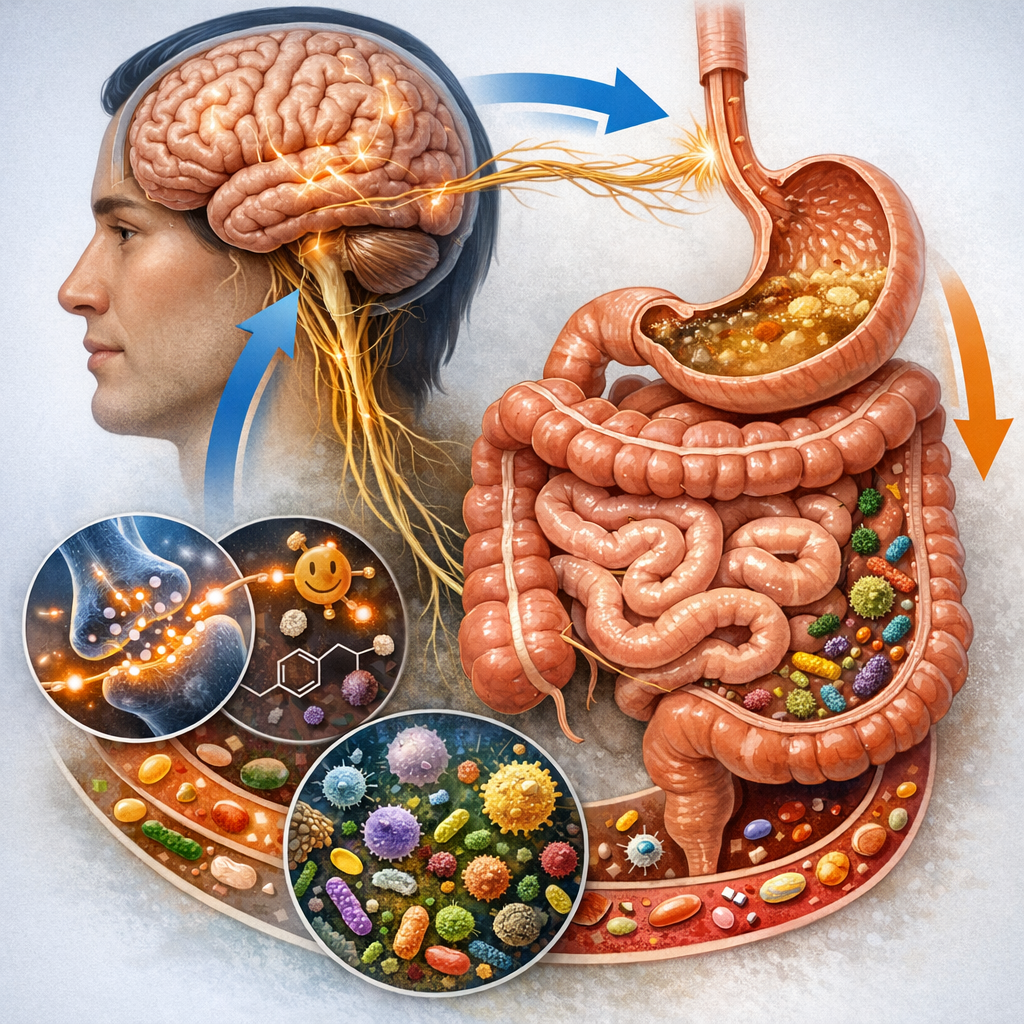
Gut-Brain Axis Essentials: How Your Digestion Shapes Your Mood and Mind

Foundations of Mental Health and Everyday Wellness

The Science of Sleep: Unlocking Restful Nights