 Skarp
Skarp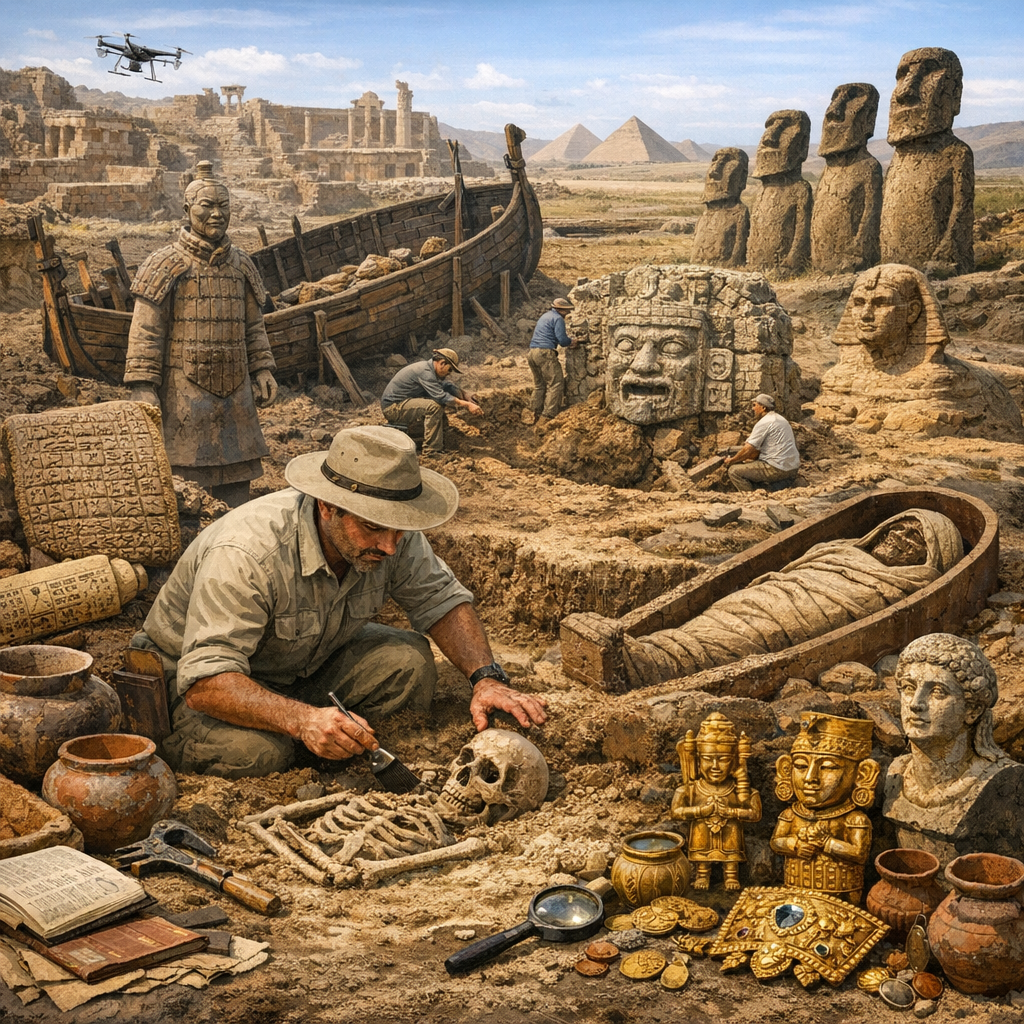
Unearthing the Past: Recent Archaeological Discoveries and How They Rewrite History
This course explores some of the most important archaeological discoveries from roughly the last decade and shows how they are changing what historians thought they knew about human societies, technology, and belief. You will connect specific case studies—from hidden cities revealed by lasers to ancient DNA and shipwrecks—to big questions about how history is written and rewritten.
The first lecture plays free — no account needed.
What you'll learn
- Students will be able to distinguish between archaeological and historical evidence and explain how they complement each other.
- Students will understand how technologies such as Lidar, advanced imaging, and underwater mapping expand what archaeologists can detect and study.
- Students will be able to outline the basic steps from finding an object to publishing a peer-reviewed interpretation.
- Students will be able to describe how Lidar works and why it is especially powerful in jungle and forested environments.
- Students will understand how recent Lidar-based discoveries of hidden cities have changed estimates of ancient population densities and political complexity.
- Students will be able to explain how remote-sensing data must still be ‘ground-truthed’ with on-site excavation.
- Students will be able to summarize what ancient DNA can and cannot tell us about past populations.
- Students will understand how DNA from a 4,500-year-old Egyptian burial and a 5,500-year-old Scandinavian cemetery has altered ideas about ancestry and family structures.
- Students will be able to identify at least two ethical concerns related to destructive sampling of human remains.
- Students will be able to explain why the White Sands footprints are controversial and how they affect models of human migration into the Americas.
Prerequisites
- archaeological methods and technologies from Module 1
- basic archaeological methods (Module 1)
- Module 1 on methods
- basic familiarity with human evolution (can be briefly reviewed in-class)
- Modules 1–3 (methods, technology, and bioarchaeology)
- Module 2 on remote sensing
Course Content
8 modules · 2h total
From Shovels to Satellites: How Modern Archaeology Works
Introduce the basic methods of archaeology and how recent technologies have transformed the kinds of questions we can ask about the past.
Seeing the Invisible: Remote Sensing and Hidden Cities
Examine how Lidar and other remote-sensing tools have revealed previously unknown cities and landscapes, transforming our understanding of ancient urbanism and land use.
Ancient DNA and Human Stories in the Bones
Explore how ancient DNA and bioarchaeology are reshaping narratives about ancestry, kinship, and everyday life through recent case studies.
Rewriting Human Origins: Footprints, Tools, and Early Hominins
Look at very early evidence of humans and their relatives—footprints, wooden tools, and bone tool caches—and what these finds imply about migration and cognition.
Power and Piety: Royal Tombs, Necropolises, and Sacred Spaces
Investigate how recent discoveries of tombs and ritual sites illuminate political power, religion, and social hierarchy in ancient societies.
Everyday Lives Revealed: Graffiti, Settlements, and Shipwrecks
Shift from elites to ordinary people by examining recent finds that capture daily life, work, trade, and personal emotions.
From Find to Headline: How Discoveries Rewrite History (and Sometimes Don’t)
Analyze how archaeologists, journalists, and the public talk about discoveries that ‘rewrite history,’ and learn to critically evaluate such claims.
Ethics, Heritage, and the Future of Archaeological Discovery
Conclude by considering who owns the past, how communities are involved, and what future technologies may reveal, then synthesize how recent discoveries have changed our view of human history.
Read the Textbook
Read every chapter for free, right here in your browser.
Archaeology and history both study the past, but they focus on different kinds of evidence.
Archaeology vs. History Archaeology studies the past using material remains: artifacts (tools, pottery, jewelry) features (walls, hearths, roads) ecofacts (animal bones, seeds, pollen) human remains (skeletons, teeth) History studies the past using written sources: documents, letters, laws chronicles, diaries inscriptions, official records
How They Complement Each Other Many societies left no writing (for example, most of the people who lived in the Americas before European contact). Archaeology is the main source for these. For literate societies (like ancient Rome or medieval China), texts often show the elite viewpoint. Archaeology can reveal: everyday life of ordinary people what people actually did vs. what laws or ideals said
Study Flashcards
Key concepts from this course as flashcard pairs.
From Shovels to Satellites: How Modern Archaeology Works
Archaeology
The study of the human past through material remains such as artifacts, features, and ecofacts, often combined with scientific methods and, when available, written sources.
History (as a discipline)
The study of the past using primarily written sources such as documents, chronicles, inscriptions, and records.
Stratigraphy
The study and interpretation of layers of soil and deposits; in archaeology, deeper undisturbed layers are usually older than those above them.
Context (archaeological)
The precise position, layer, and associations of an object or feature, which give it meaning in relation to other finds.
Radiocarbon dating
A scientific method that measures the decay of carbon-14 in once-living materials to estimate their age, typically up to about 50,000 years.
Typology
A dating method that orders artifacts into sequences based on changes in style, shape, or decoration over time.
+6 more flashcards
Seeing the Invisible: Remote Sensing and Hidden Cities
Remote sensing
Collecting information about the Earth's surface from a distance (e.g., planes, satellites, drones) using sensors that detect reflected light, heat, or radio waves.
Lidar (Light Detection and Ranging)
A remote-sensing method that uses rapid laser pulses to measure distances and create detailed 3D models of the Earth's surface, including under vegetation.
Point cloud
A dense set of 3D points recorded by Lidar, each with x, y, z coordinates (and often intensity), representing surfaces in the landscape.
Digital Terrain Model (DTM)
A digital model of the bare ground surface, created by filtering out vegetation and buildings from Lidar data—crucial for revealing archaeological features.
Ground-truthing
The process of visiting a site to confirm and refine interpretations from remote-sensing data through field survey and excavation.
Causeway
A raised road or path, often built of earth or stone; in Maya regions, Lidar has revealed extensive causeway networks connecting urban centers.
+2 more flashcards
Ancient DNA and Human Stories in the Bones
Ancient DNA (aDNA)
Genetic material recovered from historical or prehistoric remains such as bones, teeth, and mummified tissue; typically fragmented and chemically damaged.
Destructive sampling
The process of removing and damaging part of a bone, tooth, or other artifact to obtain material for scientific analysis, such as DNA extraction.
Petrous bone
A very dense part of the temporal bone in the skull, near the ear, that often preserves high-quality ancient DNA.
Kinship (biological)
Genetic relatedness between individuals (e.g., parent–child, siblings, cousins) as inferred from shared DNA.
Population mixing (gene flow)
The movement and interbreeding of people from different groups, leading to shared genetic ancestry across regions.
Patrilocality
A residence pattern in which women tend to move to live with or near their male partner’s family after marriage.
+4 more flashcards
Rewriting Human Origins: Footprints, Tools, and Early Hominins
White Sands footprints
A series of human and animal footprints preserved in lakebed sediments in New Mexico, radiocarbon and luminescence dated to roughly 23,000–21,000 years ago, challenging later dates for the first humans in the Americas.
Clovis-first model
An older model that placed the first widespread human presence in the Americas around 13,000 years ago, associated with Clovis stone tools; now challenged by sites like White Sands and others.
Homo heidelbergensis / early Neanderthals
Middle Pleistocene hominins living roughly 700,000–300,000 years ago in Eurasia and Africa; likely makers of some early wooden tools, showing advanced planning and woodworking skills.
Bone tool cache
A deliberate concentration of bone tools stored together, such as those at Olduvai Gorge (~1.5 million years old), suggesting planning, spatial memory, and future-oriented behavior.
Radiocarbon dating
A method that measures the decay of carbon-14 in once-living materials to estimate age up to about 50,000–55,000 years; sample type and carbon source can strongly affect accuracy.
Optically stimulated luminescence (OSL)
A dating technique that measures when mineral grains were last exposed to sunlight, used to date sediments that bury artifacts, footprints, or tools, often up to several hundred thousand years old.
+1 more flashcards
Power and Piety: Royal Tombs, Necropolises, and Sacred Spaces
Grave goods
Objects placed in a burial with the deceased (such as jewelry, tools, weapons, or food offerings) that can indicate status, identity, beliefs about the afterlife, and social roles.
Necropolis
A large, organized burial area or cemetery (literally "city of the dead") where many individuals are interred over time, often revealing community structure and long-term social change.
Kurgan
A burial mound, common in the Eurasian steppe and Caucasus regions, typically covering one or more graves and often associated with elite or high-status individuals in the Bronze and Iron Ages.
Dynastic chronology
The ordered sequence and dating of rulers and royal families; new tomb discoveries and identifications (like that of Thutmose II) can refine or revise this timeline.
Ancestor veneration
Religious or ritual practices that honor deceased ancestors, often linked to political legitimacy; visible archaeologically when tombs are integrated into temples or repeatedly visited for offerings.
Burial architecture
The design and construction of tombs and graves (e.g., pits, chambers, pyramids, rock-cut tombs), which reflects available resources, technology, and the social or religious importance of the dead.
Everyday Lives Revealed: Graffiti, Settlements, and Shipwrecks
Reflectance Transformation Imaging (RTI)
A digital imaging method that combines multiple photos of a surface lit from different directions, allowing the viewer to move a virtual light source and reveal fine surface details like faint scratches or worn inscriptions.
Graffiti (archaeological context)
Informal texts or drawings scratched, carved, or painted on walls and objects by ordinary people, often revealing personal emotions, jokes, or everyday concerns rather than official messages.
Craft specialization
A situation in which certain individuals or households focus on producing specific goods (such as metal tools, pottery, or textiles), rather than everyone making everything for themselves.
Settlement layout
The overall arrangement of houses, streets, open spaces, and activity areas in a village, town, or city, which can reveal planning, social organization, and economic roles.
Canaanites
Peoples living in the Levant (roughly modern Israel, Palestine, Lebanon, and parts of Syria) during the Bronze Age, known for coastal cities and active participation in Mediterranean trade.
Deep-water shipwreck
A sunken ship located in deep water, usually beyond the reach of standard diving, often investigated using remotely operated vehicles and sometimes very well preserved due to low light and low oxygen.
+1 more flashcards
From Find to Headline: How Discoveries Rewrite History (and Sometimes Don’t)
Peer review
A process where other experts evaluate a research paper’s methods, data, and conclusions before it is formally published.
Replication (in archaeology)
When independent researchers repeat a study, re-test samples, or analyze similar sites to see if they get similar results.
Interdisciplinary research
Work that combines methods and knowledge from different fields (e.g., archaeology, geology, genetics, chemistry) to study a question.
Error range
The margin of uncertainty around a measurement or date (e.g., 10,000 ± 50 years), showing the most likely range of values.
Media framing
How journalists and editors choose to present a story—what they emphasize, simplify, or leave out, which shapes how the public understands it.
Ritual vs. practical objects
A common interpretive debate about whether an artifact was used mainly for religious/ceremonial purposes or for everyday tasks (or both).
+2 more flashcards
Ethics, Heritage, and the Future of Archaeological Discovery
Cultural heritage
The physical objects, sites, and intangible practices (like rituals, languages, and traditions) that a group or society values and identifies with.
Repatriation
The process of returning cultural objects or human remains to their country of origin or to descendant/Indigenous communities.
Looting
The illegal excavation and removal of artifacts, usually for sale on the art or antiquities market, often destroying archaeological context.
Rescue (salvage) archaeology
Archaeological work carried out quickly when a site is threatened by construction or natural processes, to record and recover information before it is lost.
Digital preservation
The use of technologies like 3D scanning, LiDAR, and photogrammetry to create detailed digital records of sites and objects for research, conservation, and public access.
UNESCO 1970 Convention
An international agreement that aims to prevent the illicit import, export, and transfer of ownership of cultural property between countries.
+2 more flashcards
More in History
See all →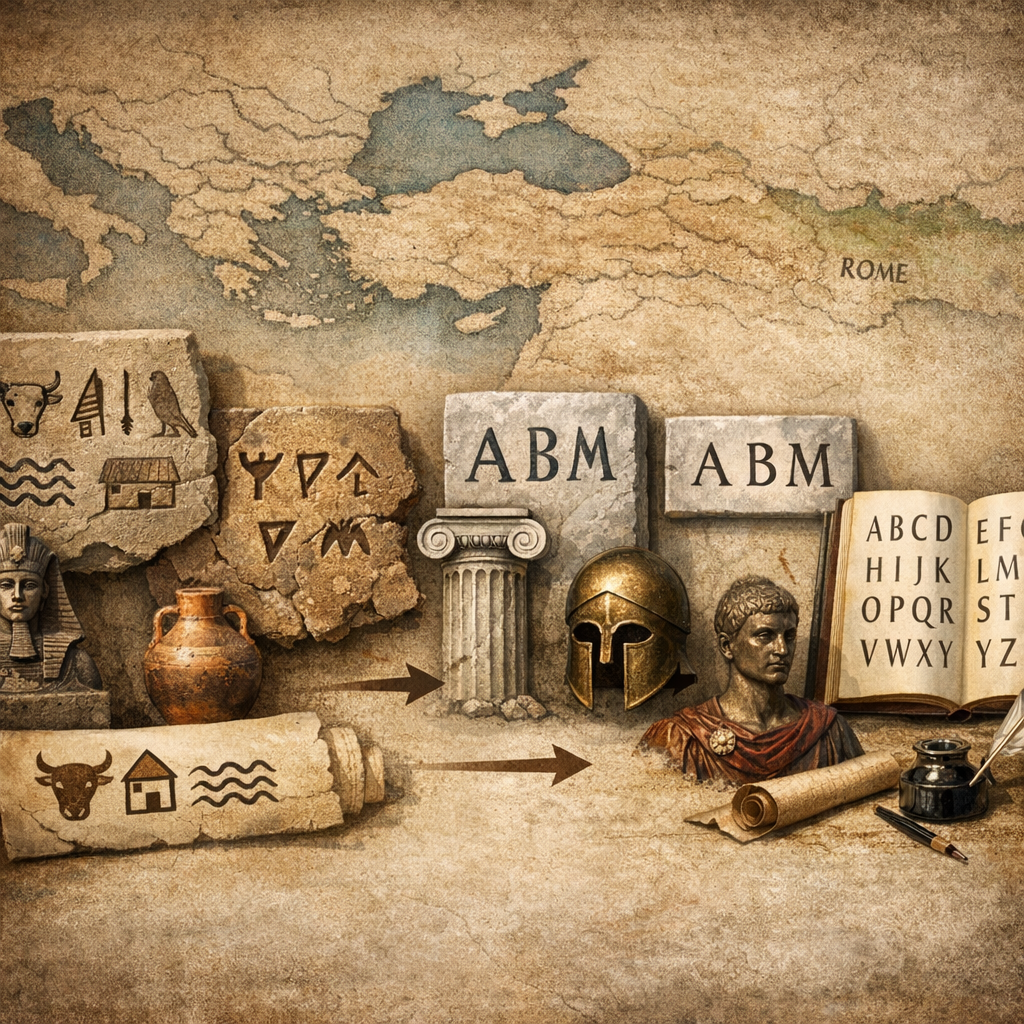
The Origin Story of the English Alphabet
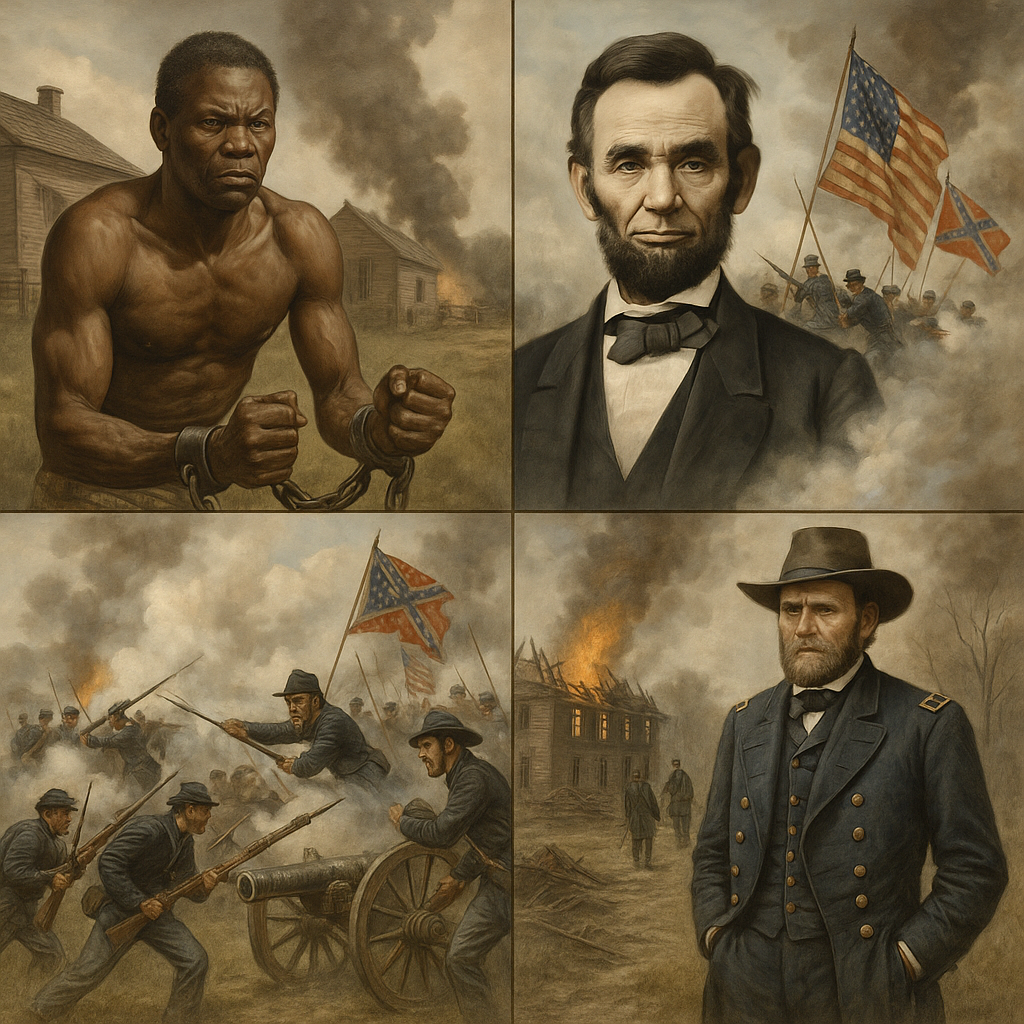
Yhdysvaltain sisällissota: syyt, kulku ja seuraukset
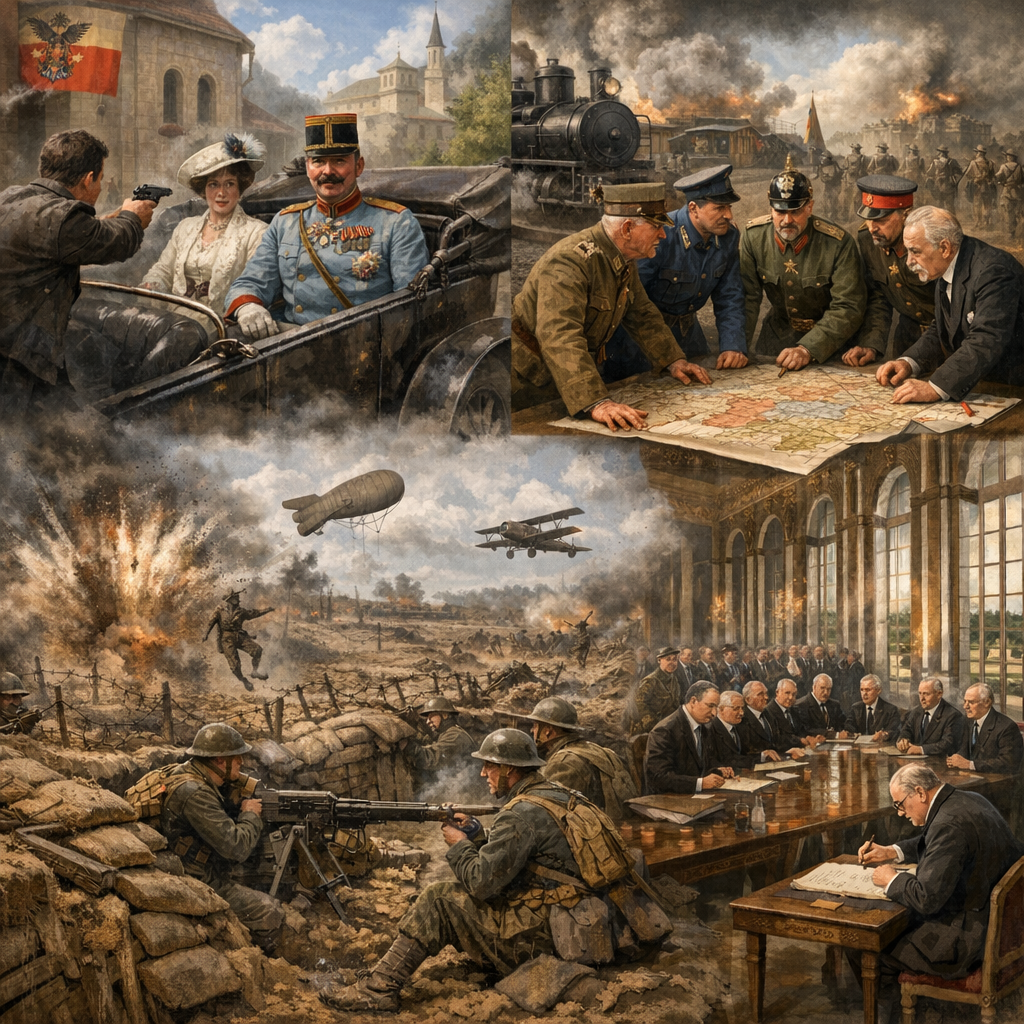
Första världskriget för åk 8: Från skottet i Sarajevo till Versaillesfreden
Decisive Battles of the American Civil War

World War I: A Global War and Its Lasting Aftermath
