Skarp
Skarp
Foundations of Mental Health and Everyday Wellness
This course introduces the core ideas of mental health and wellness, including what mental health is, how it connects to the body, and simple, evidence‑based strategies for everyday wellbeing. You will learn to recognize common signs of stress, build healthy habits, and know when and how to seek support.
The first lecture plays free — no account needed.
What you'll learn
- Students will be able to explain mental health as more than the absence of illness.
- Students will be able to distinguish between temporary stress, ongoing distress, and diagnosable mental disorders.
- Students will understand that mental health is influenced by biological, psychological, and social factors.
- Students will recognize that mental health exists on a continuum that can change over time.
- Students will be able to describe how the brain and nervous system are involved in emotions and stress responses.
- Students will understand how sleep, physical activity, and nutrition can support or undermine mental health.
- Students will be able to identify signs of chronic stress in the body (e.g., headaches, tension, fatigue).
- Students will recognize that physical and mental health are closely connected and influence each other.
- Students will be able to define stress and differentiate between short-term and long-term stress.
- Students will understand how a moderate level of stress can sometimes improve performance, while excessive stress can be harmful.
Prerequisites
- Mental health as emotional, psychological, and social wellbeing
- Biopsychosocial model (biology, psychology, and social factors)
- Nervous system and stress response (fight–flight–freeze)
- Chronic stress and its impact on the body and mind
- Definition of stress and stressors (acute vs. chronic)
- Common signs of stress (physical, emotional, thinking, behavior)
Course Content
10 modules · 2h 30m total
What Is Mental Health? A Clear, Modern Definition
Introduce what mental health means today, how it differs from mental illness, and why mental health is part of overall health for everyone.
Body–Mind Connection: How the Brain and Body Shape Mood
Explore how the brain, nervous system, hormones, and lifestyle factors like sleep and exercise influence mental health.
Understanding Stress: From Everyday Pressure to Burnout
Learn what stress is, why it exists, how it can be both helpful and harmful, and simple ways to manage everyday stress.
Emotions and Coping Skills: Tools for Everyday Challenges
Build practical skills for noticing, naming, and managing emotions using simple, research-informed coping strategies.
Common Mental Health Challenges: Anxiety, Low Mood, and More
Gain a basic understanding of common mental health challenges such as anxiety and depression, and how they differ from normal ups and downs.
Stigma, Myths, and Mental Health Literacy
Challenge common myths about mental health, understand stigma, and learn how language and attitudes can support or harm others.
Healthy Habits for Mental Wellness: Sleep, Movement, and Connection
Focus on everyday lifestyle habits that support mental wellbeing, including sleep routines, physical activity, and social relationships.
Digital Wellbeing: Social Media, Screens, and Your Mind
Examine how social media, gaming, and screen time can affect mood, self-esteem, sleep, and stress—and learn strategies for healthier digital habits.
Support Systems and Getting Help: You Are Not Alone
Learn how and when to ask for help, the roles of friends, family, school staff, and professionals, and what to expect from support and treatment.
Your Personal Wellness Plan: Building Resilience for the Future
Pull together what you have learned to create a simple, personalized mental wellness plan with early warning signs, coping tools, and support options.
Read the Textbook
Read every chapter for free, right here in your browser.
When experts talk about mental health today, they mean much more than just “not having a mental illness.”
A widely used modern definition (for example by the World Health Organization) describes mental health as:
A state of mental well-being that enables people to cope with the stresses of life, realize their abilities, learn and work well, and contribute to their community.
Study Flashcards
Key concepts from this course as flashcard pairs.
What Is Mental Health? A Clear, Modern Definition
Mental health
A state of emotional, psychological, and social wellbeing that helps a person cope with stresses, use their abilities, learn and work well, and contribute to their community.
Mental distress
A normal, usually temporary emotional or mental reaction to stress or difficult events. It can feel intense but typically improves as the situation changes or the person adapts.
Mental disorder (mental illness)
A diagnosable condition involving patterns of thoughts, feelings, or behaviors that last for a significant time and cause serious problems in daily life, based on criteria in manuals like DSM-5-TR or ICD-11.
Biopsychosocial model
A way of understanding mental health that includes biological (body and brain), psychological (mind and emotions), and social (environment and relationships) factors and how they interact.
Mental health continuum
The idea that mental health ranges from flourishing to struggling or crisis, and that people can move along this range over time rather than being simply 'healthy' or 'ill'.
Flourishing
A state of strong mental wellbeing where a person feels mostly positive, functions well in daily life, and experiences a sense of meaning and connection.
Body–Mind Connection: How the Brain and Body Shape Mood
Amygdala
An almond-shaped brain region deep in the brain that helps detect threats and triggers emotional responses, especially fear and anxiety.
Prefrontal Cortex (PFC)
The front part of the brain behind the forehead involved in planning, decision-making, impulse control, and regulating emotions.
Hippocampus
A brain region important for forming new memories and understanding the context (where/when) of events; it helps distinguish past danger from present safety.
Fight–Flight–Freeze Response
The body’s automatic stress reaction to perceived threat, controlled by the sympathetic nervous system and stress hormones like adrenaline and cortisol.
Chronic Stress
Stress that continues over a long period without enough recovery time, which can change how the brain works and cause physical symptoms like headaches and fatigue.
Autonomic Nervous System (ANS)
The part of the nervous system that controls automatic body functions (heart rate, digestion, breathing), including the sympathetic and parasympathetic branches.
+4 more flashcards
Understanding Stress: From Everyday Pressure to Burnout
Stress
The body and mind’s response to a demand or challenge (the stressor). It can be helpful or harmful depending on intensity and duration.
Stressor
Any event or situation that causes stress, such as exams, conflicts, big changes, or ongoing pressure.
Acute Stress
Short‑term stress that comes and goes, like feeling nervous before a performance and then calming down afterward.
Chronic Stress
Long‑term, repeated stress that continues for weeks or months, often linked to health and mental health problems if not managed.
Yerkes–Dodson Idea
The concept that a moderate level of stress can improve performance, but too little or too much stress can reduce performance.
Burnout
A state of emotional, mental, and physical exhaustion caused by long‑term stress, often in school or work settings, leading to reduced motivation and effectiveness.
+1 more flashcards
Emotions and Coping Skills: Tools for Everyday Challenges
Thought
A sentence, image, or story in your mind. Often can be put into words like: “I’m going to fail” or “They don’t like me.” Thoughts are not the same as facts.
Emotion / Feeling
Your body and brain’s response to events or thoughts. Usually described with one word (sad, angry, anxious, proud) and felt as body sensations (tight chest, heavy shoulders).
Behavior
Anything you do that could be seen or heard by someone else, such as walking away, texting, yelling, studying, or shutting down.
Coping Strategy
Any action you take to handle stress or difficult emotions. Can be healthy (exercise, grounding, problem-solving) or unhealthy (avoidance, aggression, substance misuse).
Healthy Coping
Ways of dealing with emotions that reduce stress without causing bigger problems later, such as deep breathing, talking to someone, or breaking tasks into small steps.
Unhealthy Coping
Ways of dealing with emotions that feel good short-term but usually create more problems, such as constant avoidance, self-harm, or using substances to escape feelings.
+4 more flashcards
Common Mental Health Challenges: Anxiety, Low Mood, and More
Mental health condition
A pattern of thoughts, feelings, and behaviors that is intense, long‑lasting, and interferes with daily life (e.g., anxiety disorders, depressive disorders). It is a health issue, not a personal failure.
Anxiety (everyday vs. disorder)
Everyday anxiety is short‑term worry or fear that matches a situation and can help you prepare. An anxiety disorder involves excessive, hard‑to‑control fear or worry that lasts for months and limits daily life.
Depression
A mental health condition where someone has a low or empty mood and/or loss of interest in activities most of the day, nearly every day, for at least two weeks, along with other symptoms like fatigue, sleep changes, or hopelessness.
Anhedonia
A key symptom of depression: losing interest or pleasure in activities that used to feel enjoyable.
Warning signs
Changes in mood, thoughts, behavior, or physical health that suggest someone may need professional support—such as lasting hopelessness, self‑harm, suicidal thoughts, major sleep/appetite changes, or withdrawing from life.
Intensity, Duration, Impact
Three ways to tell normal feelings from possible mental health conditions: how strong the feelings are, how long they last, and how much they interfere with daily life.
Stigma, Myths, and Mental Health Literacy
Stigma
Negative beliefs, labels, and attitudes about a group of people (for example, people with mental health conditions).
Discrimination
Unfair actions or treatment toward someone based on stigma, such as excluding, limiting opportunities, or treating them differently.
Self-stigma
When a person starts to believe negative stereotypes about themselves because of their mental health condition.
Person-first language
A way of speaking that puts the person before their condition, such as “a person with depression” instead of “a depressed person.”
Mental health literacy
Understanding basic facts about mental health, including signs of problems, myths vs. facts, and how and where to seek help.
Supportive response
A way of reacting that shows care, listens without judgment, and encourages someone to get appropriate help.
Healthy Habits for Mental Wellness: Sleep, Movement, and Connection
Sleep hygiene
Everyday habits and environmental factors (like light, screens, timing, and wind‑down routines) that make it easier for your body and brain to get good‑quality sleep.
Body clock (circadian rhythm)
Your internal 24‑hour timing system that helps control when you feel sleepy or awake, and affects hormones, mood, and body temperature.
Chronic sleep loss
Regularly getting less sleep than your body needs over weeks or months, which can affect mood, attention, and physical health.
Endorphins
Natural chemicals released by the body during activities like exercise that can reduce pain and improve mood.
Support network
The group of people (friends, family, adults, professionals) you can turn to for emotional support, advice, or practical help.
Hydration
Having enough fluid in the body for it to function well; important for energy, concentration, and physical health.
Digital Wellbeing: Social Media, Screens, and Your Mind
Digital wellbeing
How your use of technology (social media, gaming, screens) affects your mental, emotional, and physical health—and the choices you make to keep it healthy.
FOMO (Fear of Missing Out)
Anxious feeling that others are having rewarding experiences without you, often triggered by seeing posts, stories, or chats about events you’re not part of.
Blue light
High-energy light emitted by screens that can reduce melatonin and signal your brain to stay awake, especially when used close to bedtime.
Mindful tech use
Using technology with awareness and intention—knowing why you’re using it, how it makes you feel, and stopping when it no longer serves you.
Doomscrolling
Continuously scrolling through negative or upsetting content (often news or drama), even though it makes you feel worse.
Digital boundaries
Limits you set around when, where, and how you use technology to protect your sleep, mood, and relationships.
Support Systems and Getting Help: You Are Not Alone
Support system
The network of people and services (friends, family, school staff, professionals, crisis lines) you can turn to for emotional, practical, or safety help.
Informal support
Help from people in your everyday life, like friends and family, who listen, care, and encourage you but are not acting as trained professionals.
Formal support
Help from trained adults and services (counselors, therapists, doctors, school staff, crisis lines) who can assess, treat, and plan for your mental health and safety.
Warning signs
Changes in mood, thoughts, or behavior (often lasting more than two weeks) that suggest it is important to seek help, such as ongoing sadness, anxiety, or loss of interest.
Red flags
Serious signs that need **immediate** attention, such as suicidal thoughts, self-harm, feeling unsafe, or using substances to cope.
Therapy
A structured, usually confidential conversation with a trained professional who helps you understand your thoughts and feelings and build coping skills.
+1 more flashcards
Your Personal Wellness Plan: Building Resilience for the Future
Resilience
Your ability to adapt, cope, and recover from difficulties or stress. It includes struggling *and* finding ways to keep going, learn, and use support.
Early warning signs
Body, thought, feeling, or behaviour changes that show your stress or mood is getting worse before it becomes a crisis.
Coping strategies
Healthy actions or habits you use to manage stress and difficult emotions, such as breathing exercises, talking to someone, or limiting unhelpful screen time.
Support network
The group of people and services you can turn to for help, including friends, family, school staff, professionals, and crisis resources.
Wellness and safety plan
A short written plan that lists your strengths, early warning signs, coping tools, and support options, including steps to stay safe during a crisis.
More in Health & Wellness
See all →
Nutrition Basics: Building a Healthy, Balanced Diet
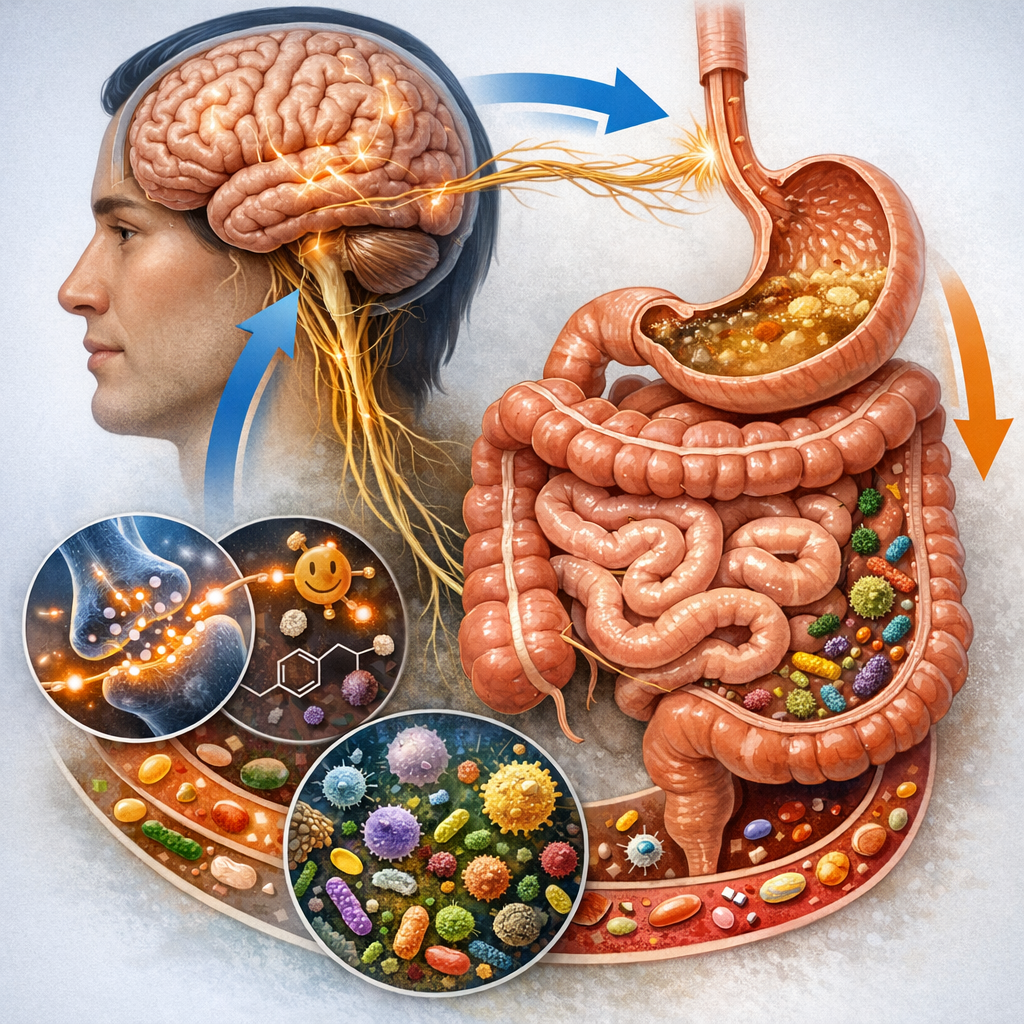
Gut-Brain Axis Essentials: How Your Digestion Shapes Your Mood and Mind
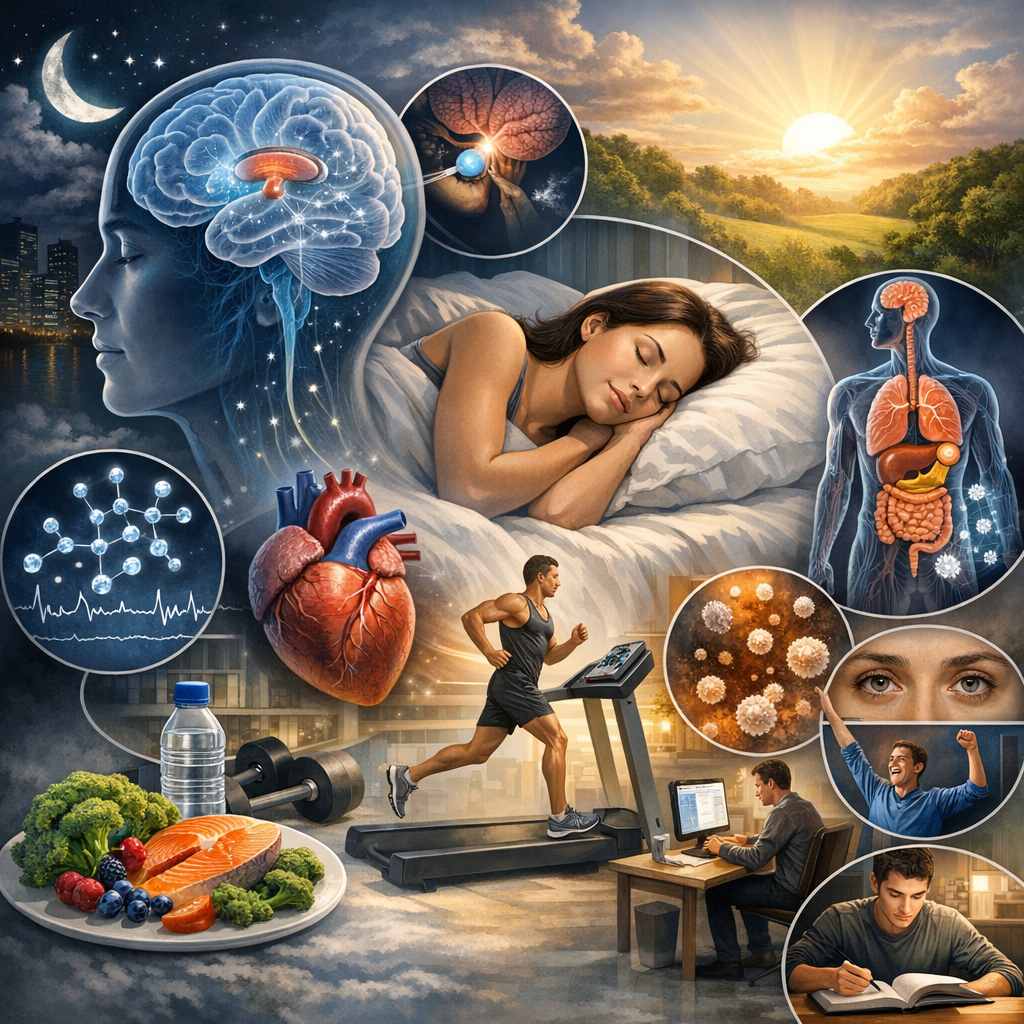
The Science of Sleep: Unlocking Restful Nights
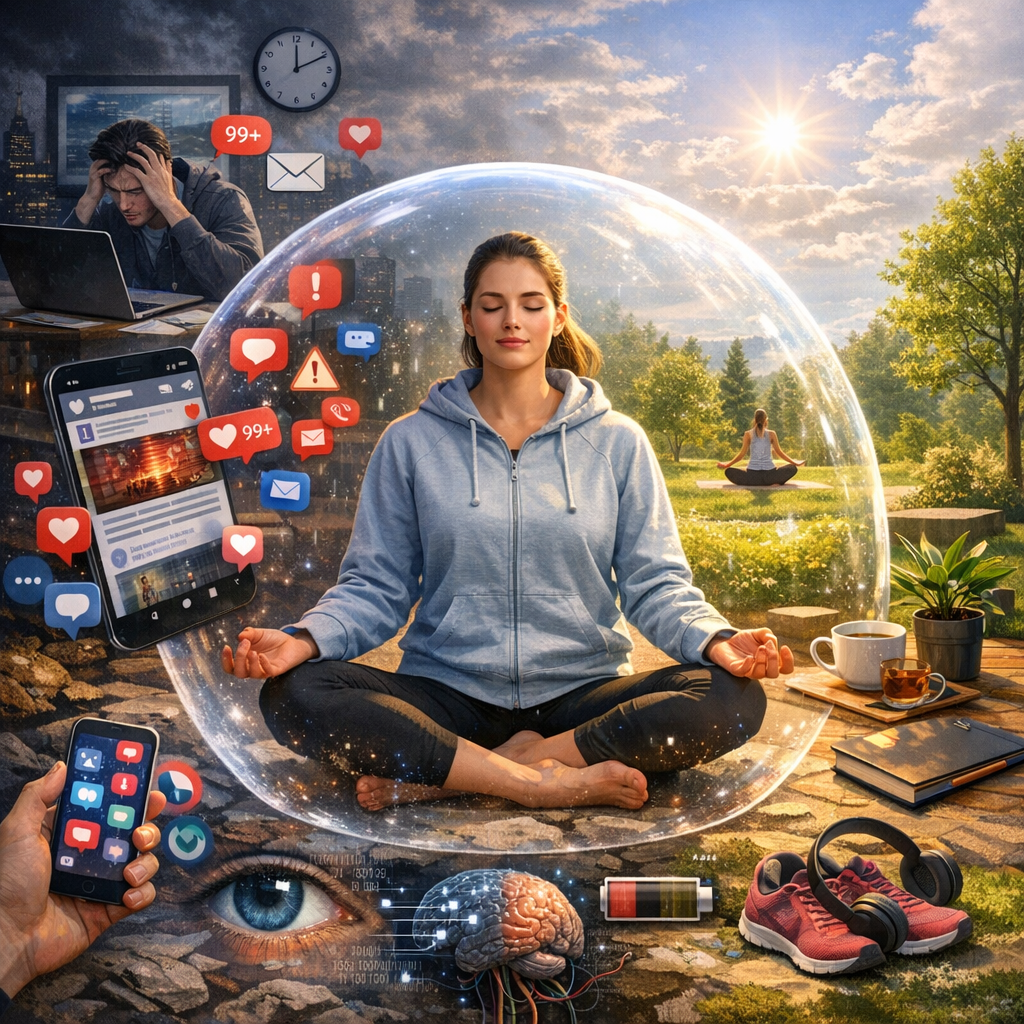
Digital Resilience: Protecting Your Mental Well‑being in a Hyperconnected World